Benefits of modern contraceptives

Benefits of modern contraceptives

Benefits of modern contraceptives

 Contraception can be used to plan when people have children and how many children they have. 

This includes choosing:

  • when they want to begin having children
  • how far apart they want their children to be
  • when they want to stop having children

This is everybody’s right under the United Nations Declaration of Human Rights.

Young people are especially at risk of problems in pregnancy. Contraception allows them to put off having children until their bodies are fully able to support a pregnancy.

Contraceptive use reduces the need for abortion by preventing unwanted pregnancies. It therefore reduces cases of unsafe abortion, one of the leading causes of maternal death worldwide.

Early pregnancy can also cause health problems for the baby. Babies born to teenagers are likely to be underweight before and at birth and are at higher risk of neonatal mortality (death of a newborn within 28 days of birth).

Pregnancies that are too close together or poorly timed contribute to high infant mortality rates – that is, the rate of babies that die within their first year of life.

Contraceptive use lets people plan their pregnancies so they can make sure the baby is getting the best care before and after birth.

Contraceptive use slows population growth. This is important because overpopulation puts pressure on the environment, the economy and services such as education and health.

Aging and SRH changes in men & women

Aging and SRH changes in men & women

Aging and SRH changes in men & women

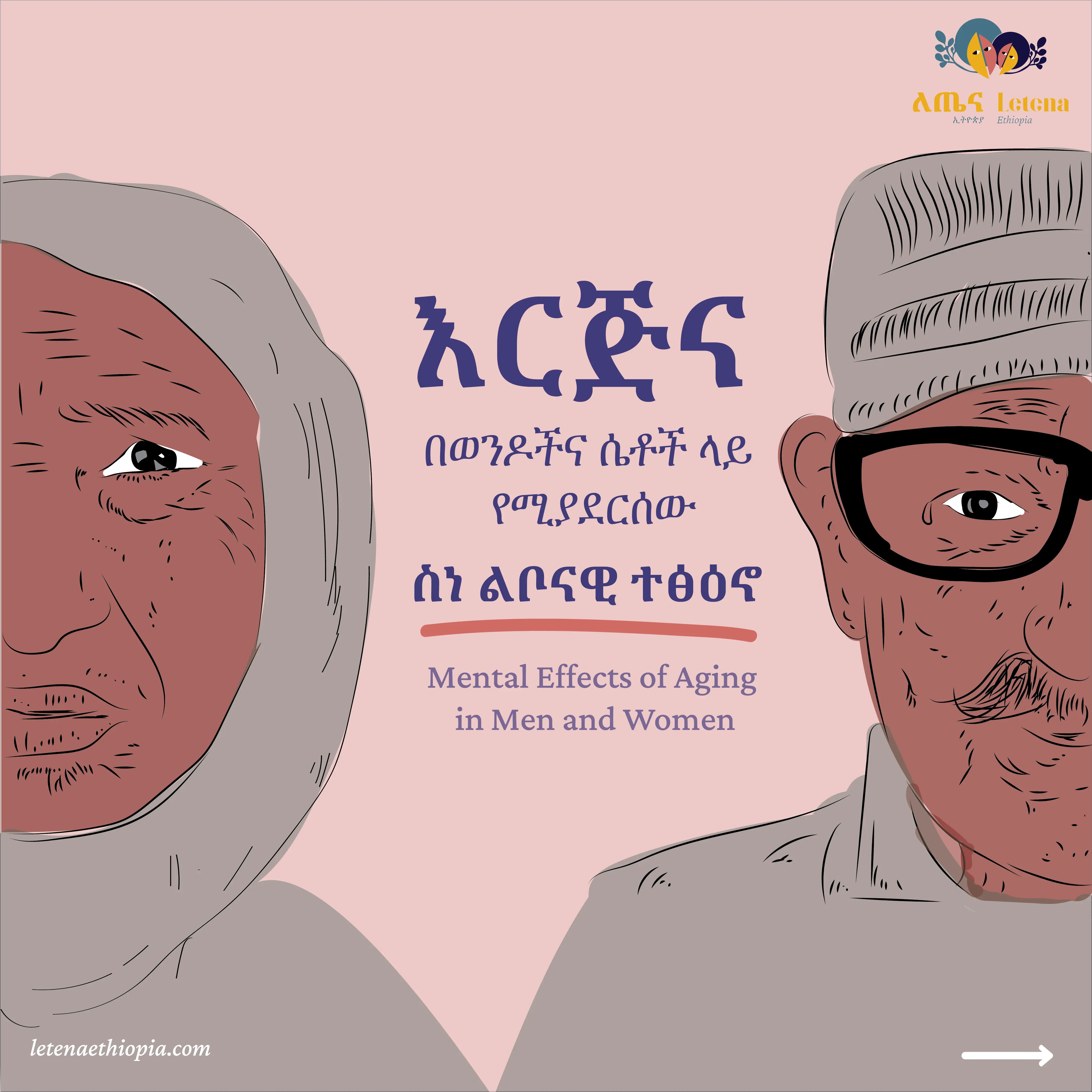
Age-related physiological changes do not render a meaningful sexual relationship impossible or even necessarily difficult. In men, greater physical stimulation is required to attain and maintain erections, and orgasms are less intense. In women, menopause terminates fertility and produces changes due to estrogen deficiency. The extent to which aging affects sexual function depends largely on psychological, pharmacological, and illness-related factors.

In women, vaginal walls become thinner, dryer, less elastic, and possibly irritated. Sometimes sex becomes painful due to these vaginal changes. The risk for vaginal yeast infections increases. The external genital tissue decreases and can become irritated.

Unlike women, men do not experience a major, rapid (over several months) change in fertility as they age (like menopause). Aging changes in the male reproductive system occur primarily in the testes.

In middle and old age, the reproductive systems undergo significant changes: a gradual decline in fertility and fluctuations in the production of sex hormones, the latter triggering anatomical and physiological changes in distant organs and tissues.

Aspects of mental health care in a  gynecological setting

Aspects of mental health care in a gynecological setting

Aspects of mental health care in a gynecological setting

Psychological disorders are commonly associated with gynecological conditions, but are frequently undetected and untreated, and may influence the presentation and treatment outcomes of the physical condition. Some of the gynecologic conditions such as menopause, premenstrual syndrome, premenstrual dysphoric disorder, chronic pelvic pain, polycystic ovarian syndrome etc can be associated with an increased risk of psychological symptoms and disorders.

Anxiety and depression are common psychiatric conditions and are associated with significant morbidity. Gynecological conditions, by their nature, are likely to be accompanied by impairments in social, occupational and personal functioning. Greater emphasis should be placed on the mental health aspects of gynecological conditions.

Women present to gynecological clinics with a wide variety of physical conditions, ranging from bothersome premenstrual and menopausal symptoms, to incontinence and pelvic pain. It is well established that depression and anxiety occur more commonly in those with physical illness compared with healthy populations. 

Moreover, many gynecological conditions, by their nature, affect personal and intimate relationships, as well as social and professional roles, thus giving rise to a range of psychological issues, which, may in turn influence the presentation and outcomes of coexisting physical conditions. These relationships are complex, and involve the interplay of hormonal, social, cultural and individual psychological factors.

The gynecological setting provides an important opportunity for the detection and treatment of psychological issues. These can range from transient concerns to more serious symptoms of depression and anxiety, and depressive and anxiety disorders that meet specific diagnostic criteria. Yet, the psychological aspects of conditions presenting in the gynecological setting are somewhat neglected, resulting in relatively few studies that have examined the consequent mental health care needs of women attending gynecological clinics.


Legal measures on sexual assault

Sexual assault is perhaps the most widespread and socially tolerated of human rights violation, cutting across borders, race, class, ethnicity, and religion.

Following a rape or attempted sexual assault, the survivor is left in a state of crisis. Decisions are hard to make during this time, but the survivor needs to make some decisions which will affect possible prosecution. Survivors have the right to decide whether or not to report the assault to the police. However, if a survivor goes to the hospital, the medical staff are required to report the assault.

For a strong legal case, it is best to report the assault immediately and obtain medical attention for the gathering of evidence.

The survivor may be required to go through additional questioning with the police detective who will be handling the case. Since this is one of the most important phases of the investigation, it will be detailed and thorough. If there are bruises or other signs of attack that were not visible at the hospital, photographs may be taken at the police station. The survivor may also be asked to write out a report. This will include the survivor’s description of the incident and what happened before and after. The place where the incident took place, including the survivor’s home if that was the scene of the crime, may be searched and examined for fingerprints, stains, weapons, and other evidence. Do not touch or remove anything from the scene of the crime until this is done.

Compensation For Victims of Crime

According to Court of Claims of some Western countries, survivors may be eligible for Victim Compensation. To be eligible for compensation monies a crime must meet the following criteria:

  • The crime must have been reported to the police within 72 hours (or be able to show good cause for not doing so)
  • The Victim Compensation Claim Form must be filed within two years of the crime date

The availability of compensation money is limited to the following types of losses:

  • Allowable medical expenses and counseling fees;
  • Work loss as a result of the crime;
  • Any needed services loss (i.e. baby-sitting during court procedures or housekeeping assistance if injuries incapacitate the survivor).

Unstable Parenting and Its Effects on Children’s Growth and Development

Children’s early experiences shape who they really are.  Their early life experiences have an effect on their health and learning abilities.

To develop to their full potential, children need safe and stable housing, adequate and nutritious food, access to medical care, secure relationships with adult caregivers, nurturing and responsive parenting, and high-quality learning opportunities at home, in child care settings, and in school. 

Children thrive in stable and nurturing environments where they have a routine and know what to expect. Although some change in children’s lives is normal and anticipated, sudden and dramatic disruptions can be extremely stressful and affect children’s feeling of security.

Common types of instability

-Economic Instability: a drop in family income from which families may or may not recover from

-Employment Instability

-Family Instability

-Residential Instability

Effects of instability in a child’s development 

 In addition to the social and emotional outcomes, some evidence suggests that children’s language and cognitive development may also be compromised by child care instability. 

Among young infants, certain forms of unstable child care are associated with poorer language development at 15 months of age.

There is less evidence of an impact of child care instability at later ages, and limited research explores instability among older school-age children. These findings highlight the urgency of identifying effective strategies for promoting the stability and continuity of care for young children.


Overlapping risks of FGM & Child marriage

Overlapping risks of FGM & Child marriage

Harmful cultural practices, such as child marriage and female genital mutilation (FGM), are discriminatory practices committed regularly over long periods of time that communities and societies begin to consider them acceptable.

Around the world, hundreds of millions of girls and boys have experienced some form of violence, exploitation or harmful practice, although girls are at much greater risk. Child marriage and FGM span continents and cultures, yet, in every society in which they are practiced, they reflect values that hold girls in low esteem.

FGM can lead to serious health complications – including prolonged bleeding, infection and infertility – or even death. Girls and women who have undergone FGM are at heightened risk of experiencing complications during childbirth.

In some societies, FGM goes hand in hand with child marriage. Girls married as children are more likely to drop out of school and become pregnant as teenagers when they face increased risks of dying during pregnancy or childbirth.

wpChatIcon