

The Mental Side of Miscarriages
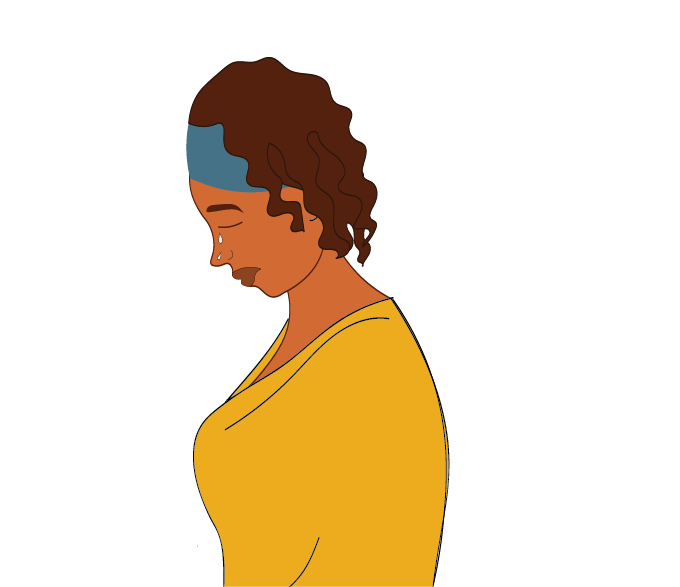
Miscarriages: What you need to know
We can also define miscarriages/ spontaneous abortions based on the weight of the baby, in our country if a baby is born and it weighs less than 1 kg, it’s automatically considered as a miscarriage/spontaneous abortion.
There are many reasons a miscarriage can occur, and it’s not just because of problems with the mother, factors related to the father as well as the baby can also result in a miscarriage.
Among these risk factors, one that is commonly known is advanced age, if both mom and dad are over the age of 40 it might result in DNA abnormalities in the baby that could lead to a miscarriage.
If parents don’t use family planning methods and the time-space between two pregnancies is less than three months, it could be one factor that could result in a miscarriage.
Another not-so-popular risk factor is the fact that having a lot of kids could also result in a miscarriage. Sexually transmitted infections can also result in a miscarriage, so always get tested for sexually transmitted infections.
The causes of a miscarriage are different, the risk factor can result in the cause of a miscarriage. For example, advanced age can result in abnormal DNA combinations in the baby which might result in a miscarriage. Another cause could be chronic diseases in the mother like Tuberculosis and Diabetes which are pretty common causes of a miscarriage.
Knowing all these factors can help us plan better about our family and learn the things we can do to make sure we go through a happy and blissful pregnancy experience.
Classifying miscarriages is a difficult task, there are many ways we can do so, in clinical terms a miscarriage can be divided up to seven classifications. Understanding each type helps us to understand more about the symptoms as well as the treatments offered for each type.
The most common symptoms of miscarriages are bleeding through the vagina and a cramping sort of pain that could resemble the pain of labor. If a pregnant woman encounters any of these symptoms, it’s important that she goes to a health center and gets checked. Just because a pregnant woman gets these symptoms, it doesn’t always mean that she is having a miscarriage, there are other things it could be, this is why going to a doctor and getting checked as soon as possible is always a good idea.
The treatment offered for miscarriages is different based on the clinical types, there are types of miscarriages where the treatment offered could simply just be bed rest and drinking a lot of fluids, and for other types, the treatment might involve other not so simple methods. Either way, what we need to bear in mind is that during pregnancy it’s always important to have antenatal care and follow-up.
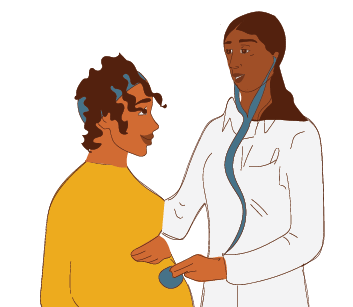
Antenatal / Prenatal and Postnatal Care
When you are pregnant, you will need to have regular visits to the doctor to ensure you and your baby are healthy. This method of follow-up is called antenatal or prenatal care.
Antenatal or Prenatal care is the care provided to you while you are pregnant to help you have a healthy pregnancy. For a healthy non-complicated pregnancy, one woman will have a total of eight visits. Among those visits, the most important one is the first one, it’s also the one that will take the longest. During this particular visit, your doctor will run tests on the mom-to-be as well as the baby and will try to take a detailed history. He / She will also give supplements that will be essential for a healthy pregnancy.
After this first visit, the next ones will be follow-up. The doctor will already have your case file so he/she will just order basic tests and make sure that the pregnancy is progressing smoothly.
Your doctor will perform regular checkups like urine & blood tests and ultrasounds, give you helpful tips for a healthy pregnancy like what to eat, and discuss your options for childbirth. The appointments will be scheduled, so you don’t need to wonder when the right time should be. Make sure that you go to every appointment so there aren’t any complications with your pregnancy, the baby, and yourself.
It is very important to be proactive when it comes to your and your baby’s health. The importance of prenatal care is immense and is required throughout your nine months of pregnancy. With prenatal care, you can reduce your risk of problems and get advice on anything you are curious about regarding your pregnancy.
For women who are planning to have their first pregnancy after the age of 35, it’s important to note that they should seek healthcare services before they get pregnant. It’s not impossible to get pregnant at this age but there might be risks associated with the pregnancy and it’s always better to be informed and prepared.
Another important part of Antenatal care is that for women who are experiencing domestic violence it might be the only chance they get to ask for help. It’s also the healthcare provider’s duty to recognize such women and to advise them on their situation.
After you give birth, you don’t just get sent home and resume life as usual. It’s a whole new world now that you have a baby (or 2+) to take care of. Before you leave the hospital, you will receive another form of care called postnatal care.
Like antenatal care is for women who are pregnant or planning on getting pregnant there’s also another form of care for women who have just given birth which is known as Postnatal care.
Postnatal care is the care provided to you after birth for up to 6 weeks. The first few hours or days after birth is the riskiest time for you and your baby. This is why ideally both mother and baby are supposed to stay in the hospital for 24hrs after giving birth. Your doctor will perform a complete examination of your baby right after birth and check again before you leave the hospital. Only after your doctor clears both you and your baby, can you go. If there is an issue with either one of you, you would be asked to stay longer for observation and more tests.
Once you have settled from giving birth, your doctor will provide you with the necessary information you need for breastfeeding, cleaning your baby’s skin, umbilical cord care, and keeping your baby warm. Postnatal care is even more essential for babies born too early, too small, have infections, or were suffocated during delivery. Make sure to go to all of your postnatal visits to avoid complications.
Different topics need to be discussed with the mother and close relatives, such as:
- The importance of having someone nearby for the first 1-2 days
- Eating more healthier foods
- Getting more rest
- Avoiding physical labor
- Discussing the danger signs for her and the baby
- Personal hygiene
- Normal postpartum bleeding
- When to resume sexual intercourse
- Infant feeding
In addition to how to care for your baby, you will also be informed about danger signs. For the mother, these include increased vaginal bleeding, difficulty breathing, fever, severe headaches with blurred vision, problem urination, and more. If you experience these symptoms, you need to go to the hospital and get tested immediately. With the right tools and patience, you will take care of and healthily raise your baby.
For these and many reasons ante/postnatal care are integral part of pregnancy and if you are planning on getting pregnant or are already pregnant or have recently given birth make sure you follow through on these care provisions.

Pregnancy
Pregnancy is an exciting time for a woman who has been looking forward to being a mother. It typically lasts around 9 months or 40 weeks, but you may give birth before 9 months or even after. It is divided into 3 parts, called trimesters, in which different changes occur. You will experience a lot of changes as your pregnancy advances which is a normal part of pregnancy and shouldn’t be the cause of worry. Your body will start to change and it might require you to change your day-to-day activities such as eating more and sleeping earlier.
The first trimester lasts from the 1st to the 12th week of your pregnancy. During this stage, your period will stop and your body will go through different physical and hormonal changes. Some women experience morning sickness (upset stomach), and certain food cravings while others have difficulty even smelling certain types of food. Other changes include sore breasts and frequent urination.
The second trimester occurs in the 13th up to the 28th week and during the 20th week, you can feel your baby’s movement which can be a source of joy for most pregnant women. Many women experience less discomfort when compared to the first trimester, for most women morning sickness will decrease during this period and most women have been noted to enjoy their pregnancy during this time. Most pregnant women will also notice obvious stomach and breast growth. Your body will start to ache, your stomach becomes itchy, your ankles, fingers, & face will start to swell, and more.
The third trimester is the 29th until the 40th week of pregnancy and is when the baby’s bones are soft but almost fully developed. During this trimester for most women, the increased urination they experienced during the first trimester will come back. Additional changes in this stage include trouble breathing, heartburn, sticking out belly button and trouble sleeping, another thing to bear in mind, during this trimester is what’s called false labor or braxton hicks contractions, these contractions might feel like actual labor but they aren’t, so no need to panic.
Not all pregnancies will go over smoothly or with little discomfort. Some women experience unusual pain or discomfort that could threaten their and their baby’s life. Sometimes pregnancies can be abnormal that are caused by issues with the tissues needed for the fetus. This is why you must have regular doctor visits to ensure the best outcome for you and your baby during the entire pregnancy. You should be careful not to overwork yourself and be healthy by exercising like walking every day and eating a balanced diet. If you experience vaginal bleeding, intense cramps, pain while peeing, severe headaches, and more, you need to go to your doctor for a check-up immediately.
 English
 Amharic