From whispered tales to heated debates, birth control has been the subject of much chatter. Yet, amidst the clutter of opinions and myths, the true benefits of contraception are often obscured.
My journey with birth control was filled with moments of distress and confusion, as I struggled to find the perfect fit for my body and lifestyle. The initial discomfort and pain I felt during intimate moments made me question if something was amiss, but little did I know, it was just the beginning of a transformative journey.
I embarked on a quest for knowledge, seeking answers to questions that plagued me. I talked to experts, read the research, and gained a deeper understanding of what my body was going through. I learned that choosing birth control is not just a personal decision, but a pivotal step in shaping our lives.
When it comes to preventing pregnancy, the world of contraception offers a diverse range of options. From short-acting methods that provide immediate protection to long-acting options that offer continuous coverage, the journey of choosing the right method can be a personal and empowering experience.
Short-acting contraceptives, such as condoms, diaphragms, and spermicides, offer a convenient and accessible solution for those who prefer to have control over their contraception at the moment. These methods provide temporary protection and require consistent use each time a person has sex to be effective.
On the other hand, long-acting contraception methods, such as IUDs and hormonal injections, offer a low-maintenance solution for those who want long-term protection. Once inserted or administered, these methods can provide coverage for several years, making them a popular choice for those who prefer a hands-off approach to birth control.
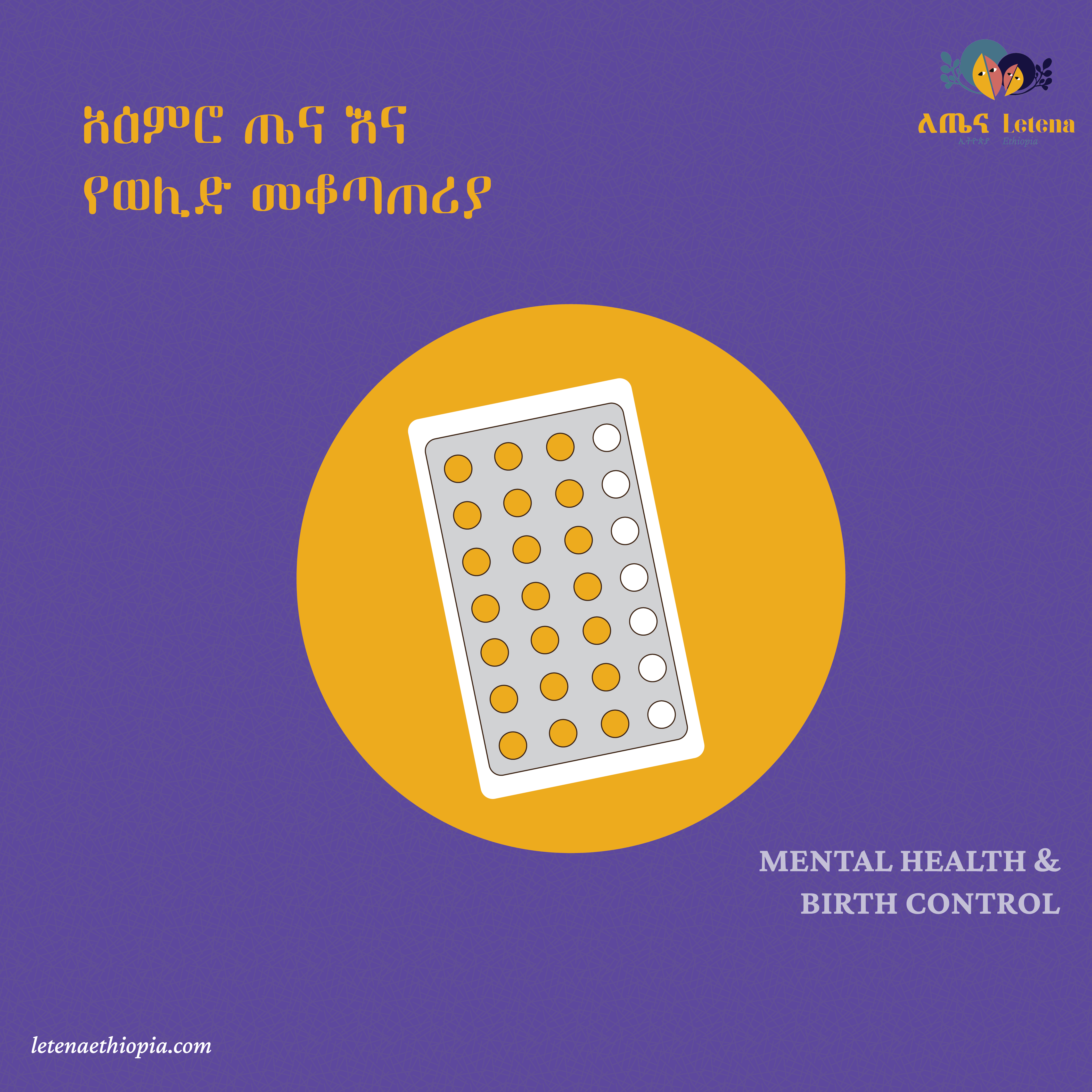
Choosing both hormonal IUD and implant have much lower doses of hormones than the pill so they are often good options for people who haven’t had great experiences with hormones in the past, like me, but know that none of them can protect against STIs. The only form of contraceptive to control STIs is a condom.
So, remember, take the time to educate yourself, ask questions, and weigh the pros and cons. Your body and your happiness are worth it. Don’t be afraid to try, fail, and try again. “The right birth control method is waiting for you, a solution to cherish and a burden to forget.”
For many people, it’s crucial to capture the feeling of desire or love on Valentine’s Day. To assist with this, we’ve compiled some essentials to help you remember what truly matters.
It’s not about the chocolate!
It’s true, chocolate may be a classic symbol of love and affection, but the sweetness it brings pales in comparison to the joy of spending time with the one you cherish. Don’t let the calendar dictate when you should show your love; every day is an opportunity to celebrate the connection between you and your significant other.
Sure, a box of chocolates may make their heart skip a beat, but the real magic lies in the moments shared. It’s the laughter over inside jokes, the shared experiences that strengthen the bond, and the feeling of being truly seen and understood by another human being.
So go ahead and indulge in some chocolate if you please, but remember that it’s just a sweet treat. The real gift is the love you give and receive every day, in big and small ways. Celebrate your love not just on special occasions, but every chance you get. After all, that’s what makes life truly sweet.
Safer Sex
Why not make safe sex a sexy part of your Valentine’s Day plans? It’s not only responsible but also rewarding – you’ll feel confident and satisfied knowing you’re taking care of yourself and your partner. So, whether you get tested or use your preferred protection method, such as condoms or birth control pills, can be effective tools in preventing unintended pregnancies and sexually transmitted infections. It is crucial to have open and honest communication with a partner about contraception and to make informed decisions about sexual health. remember: the safer, the better.
Be your own valentine
On this day of love, let’s not forget to extend that love to ourselves. While it’s easy to get caught up in sending messages of affection to those we care about, why not take this opportunity to start a new tradition of self-love?
Being kind to yourself can take many forms, from treating yourself to a relaxing bubble bath to indulging in your favorite food. It can also mean letting go of self-judgment and negative self-talk and focusing on positive affirmations and gratitude.
After all, the relationship we have with ourselves sets the tone for all our other relationships. By loving ourselves first, we are better equipped to show love and kindness to others.
So this Valentine’s Day, let’s celebrate the love within us. Let’s make a promise to be kinder to ourselves and practice self-love every day. Because when we love ourselves, the world becomes a brighter and more beautiful place.
It’s never easy to talk about this stuff, it’s nerve-racking, heartbreaking, and trembling. I have been through a tough time writing these saddest lines. It’s such a disappointing feeling to find out you have an STI but even worse when you have to tell someone, especially someone you care about. The risk of losing you is unimaginable but the risk of not telling you will hurt me even more, gradually.
So what I decided was to get my strong suit on and make the call, to tell you that more than my love, my truth matters and that is my dear I have STI (Sexually Transmitted Infection)
When I first found out that I had an STI I thought everything was ending, my life as I know it was gone, and that made me suffer countless stressful nights, it was an experience that shifted my perspective about many things in my life. But as the saying goes, what doesn’t kill you only makes you stronger, and with that, I pulled myself from the pools of shame and taboos and decided to tell you that not only I’m living with STI but I am okay with it
What gave me confidence was my realization that millions of people around the world are living with STIs, and to my surprise, I have found many resources and support systems that helped me deal with my condition.
One of my scariest assumptions was that my life wouldn’t be the same after having STI and I wasn’t sure even in telling you this fearing that you would assume that I am a changed person, but nothing about me is changed, not even a strand of hair. If anything, I have learned a lot about how to take care of myself better, and to be mindful of my health decisions. I would say I’m in a good state of health and mentality, I take care of myself more than I did before, I take my treatments accordingly to my schedule and I still refer back to an incredible online support system from people who have had the same experience and can share it, which helped me escape a state of alienation and loneliness.
Although this has been a challenging experience to go through, I’m joyful that I get to tell you honestly about my conditions without fear or shame or a sense of disappointing you, it is because I care deeply about our relationship that I’ve decided to share but all of this wouldn’t be possible without the help and awareness I have got from my friends, doctors and most people like me, People who have gone through the same situation. They made me feel that it’s okay to have STIs and that the bigger lesson is to move forward with mindful decisions and confidence.
Online dating is an increasingly popular way for many young adults globally, including Ethiopia to connect and find love. With the convenience of being able to connect with potential partners from the comfort of your own home, it’s no wonder that online dating has become a popular choice for many.
However, with the increase in online dating comes the potential for danger. It’s important to be aware of the risks and to know how to stay safe while using online dating platforms. That’s why we’ve put together The Do’s and Don’ts of online dating – a comprehensive guide to help you navigate the world of online dating and make the most of your experience.ax
DO use a reputable dating platform or app with privacy features: Protect your personal information and ensure a safe and enjoyable online dating experience.
DON’T share personal information with someone you have just met online: Sharing personal information too soon can be dangerous, it can expose you and make you vulnerable for online scams.
DO be honest about who you are and what you’re looking for in a relationship: By being honest about who you are and what you’re looking for in a relationship, you attract the right people and avoid wasting time on incompatible matches.
DON’T ignore red flags or warning signs that a person may not be safe: Ignoring red flags or warning signs could put you in danger, so it’s important to trust your gut and stop communicating with someone if they make you feel uncomfortable or if their behavior seems suspicious.
DO always meet in a public place and let someone know where you’ll be: By meeting in a public place and letting someone know where you’ll be, you can ensure your safety and have peace of mind when meeting someone for the first time.
DON’T send inappropriate or explicit photos or messages: Sending explicit or inappropriate photos or messages can be dangerous as it can be used against you in the future.
DO always use protection when engaging in sexual activity: make sure to avoid the potential dangers associated with unprotected sex, such as the transmission of sexually transmitted infections (STIs) or unintended pregnancy.
DON’T EVER compromise consent: By respecting consent, you ensure that your interactions with others are safe, respectful, and enjoyable for everyone involved.
By following these simple guidelines, you can maximize the benefits and minimize the dangers of online dating. So why wait? Get started on your online dating journey today and see where it takes you!
Molar pregnancy & its possible medical complications
A molar pregnancy which is also known as hydatidiform mole is a rare complication of pregnancy characterised by the abnormal growth of trophoblasts, the cells that normally develop into the placenta.
There are two types of molar pregnancy, complete molar pregnancy and partial molar pregnancy. In a complete molar pregnancy, the placental tissue is abnormal and swollen and appears to form fluid-filled cysts. There’s also no formation of fetal tissue. In a partial molar pregnancy, there may be normal placental tissue along with abnormally forming placental tissue.
There may also be formation of a fetus, but the fetus is not able to survive, and is usually miscarried early in the pregnancy.
Symptoms
A molar pregnancy may seem like a normal pregnancy at first, but most molar pregnancies cause specific symptoms, including:
Dark brown to bright red vaginal bleeding during the first trimester of pregnancy
Severe nausea and vomiting
Sometimes vaginal passage of grape like cysts
Pelvic pressure or pain
Risk factors
Approximately 1 in every 1,000 pregnancies is diagnosed as a molar pregnancy. Various factors are associated with molar pregnancy, including:
Maternal age. A molar pregnancy is more likely in women older than age 35 or younger than age 20.
Previous molar pregnancy. If you’ve had one molar pregnancy, you’re more likely to have another.
Complications
A molar pregnancy can have serious complications including a rare form of cancer and requires early treatment.
After a molar pregnancy has been removed, molar tissue may remain and continue to grow. This is called persistent gestational trophoblastic neoplasia (GTN). This occurs in about 15% to 20% of complete molar pregnancies, and up to 5% of partial molar pregnancies.
Rarely, a cancerous form of GTN known as choriocarcinoma develops and spreads to other organs. Choriocarcinoma is usually successfully treated with multiple cancer drugs. A complete molar pregnancy is more likely to have this complication than a partial molar pregnancy.
Prevention
During any subsequent pregnancies, your care provider may do early ultrasounds to monitor your condition and offer reassurance of normal development. Your provider may also discuss prenatal genetic testing, which can be used to diagnose a molar pregnancy.
Contraception can be used to plan when people have children and how many children they have.
This includes choosing:
when they want to begin having children
how far apart they want their children to be
when they want to stop having children
This is everybody’s right under the United Nations Declaration of Human Rights.
Young people are especially at risk of problems in pregnancy. Contraception allows them to put off having children until their bodies are fully able to support a pregnancy.
Contraceptive use reduces the need for abortion by preventing unwanted pregnancies. It therefore reduces cases of unsafe abortion, one of the leading causes of maternal death worldwide.
Early pregnancy can also cause health problems for the baby. Babies born to teenagers are likely to be underweight before and at birth and are at higher risk of neonatal mortality (death of a newborn within 28 days of birth).
Pregnancies that are too close together or poorly timed contribute to high infant mortality rates – that is, the rate of babies that die within their first year of life.
Contraceptive use lets people plan their pregnancies so they can make sure the baby is getting the best care before and after birth.
Contraceptive use slows population growth. This is important because overpopulation puts pressure on the environment, the economy and services such as education and health.



 English
 Amharic